Engineering analysis of large format additive manufacturing for autoclave mould production.

2 December 2025
Author: Aimee-May Graham

Collaboration with

Traditional mould-making presents several costly bottlenecks: lengthy lead times, substantial material waste from machining solid stock, and complex workflows between design and manufacturing teams. For manufacturers, these challenges translate directly to higher costs, longer time-to-market, and reduced competitive advantage.

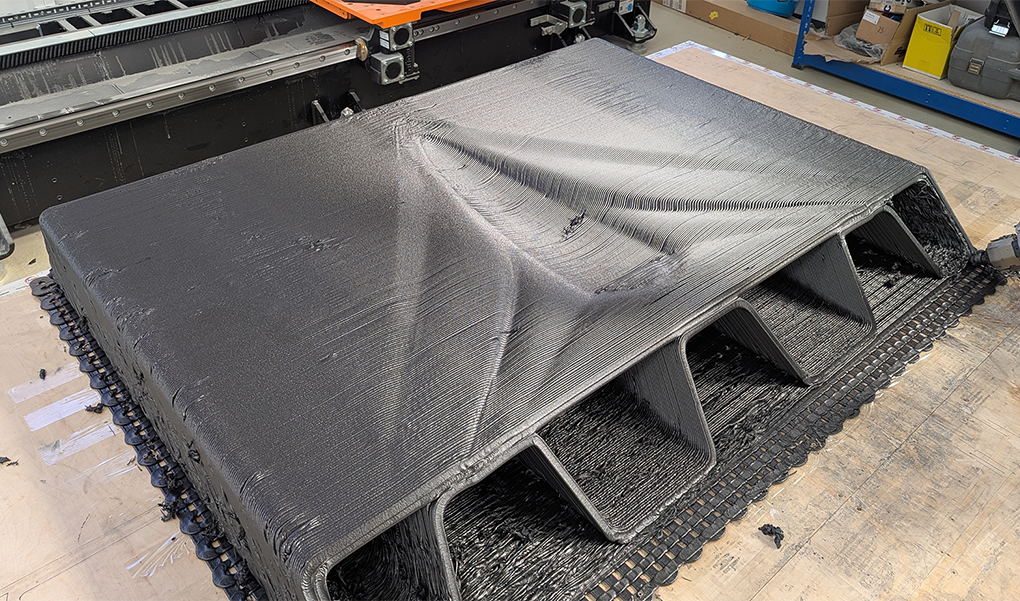
Large Format Additive Manufacturing (LFAM) fundamentally changes these production economics by building moulds true to the end geometry layer by layer, using only the material that’s structurally required. However, the success of LFAM implementation depends critically on investing in the right tools.

Aibuild’s purpose-built mould designer software is the technological foundation that turns the promising concept of LFAM into a reliable production solution. Built on a decade of LFAM expertise, Aibuild software solves the fundamental challenges that have historically limited additive manufacturing adoption in mould production.

Proven implementation success by Total Machining Solutions.

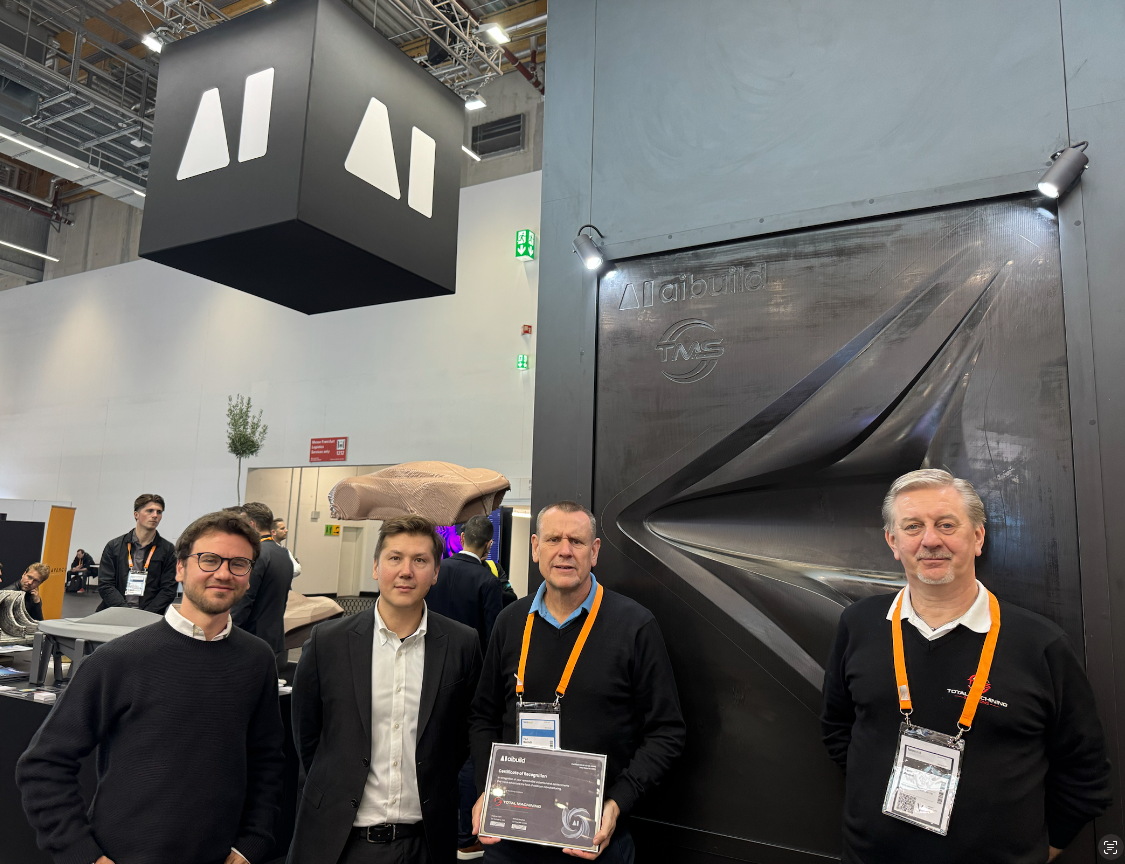
Total Machining Solutions has positioned themselves at the forefront of LFAM technology transition by recognising the benefits of software intelligence paired with advanced hardware capability. Their strategic integration of Aibuild’s mould designer software with the CEAD Flexbot robotic system enables TMS to offer clients reliable access to LFAM cost and time advantages with guaranteed results.

The software intelligence behind it.

Aibuild’s mould designer software is what powers Total Machining Solutions service. Aibuild software transforms complex design processes into automated, optimised workflows, whether deployed by service providers like TMS or implemented in-house by manufacturers.

Competitive advantages with Aibuild software for mould production:

  • Design automation: Auto-generate production-ready moulds directly from surface geometry.
  • Structural optimisation: Algorithmic placement of stiffeners, cooling channels, and forklift pockets.
  • Manufacturing efficiency: Automated MakeContinuous for polyline optimisation and reduced print time.
  • Quality assurance: Real-time constraint validation prevents costly redesigns and failures.

This intelligence layer means what previously required extensive CAD expertise and multiple design iterations can now be accomplished by engineering teams, dramatically reducing the barriers to advanced mould production.

Production ready material.

The success of LFAM mould production lies in selecting polymers engineered specifically for demanding manufacturing environments. Airtech’s Dahltram C-250CF is purpose-built for composite tooling applications that require autoclave compatibility.

This carbon fiber reinforced thermoplastic delivers the thermal stability essential for carbon fiber composite production. With a maximum service temperature of 280°F (135°C), C-250CF withstands typical autoclave curing cycles while maintaining dimensional accuracy and structural integrity throughout repeated thermal cycling.

For manufacturers transitioning from traditional tooling methods, this LFAM material compatibility with existing autoclave processes eliminates the need for process re-engineering while delivering the cost and time benefits of additive manufacturing.

Measurable results in drone autoclave mould project.

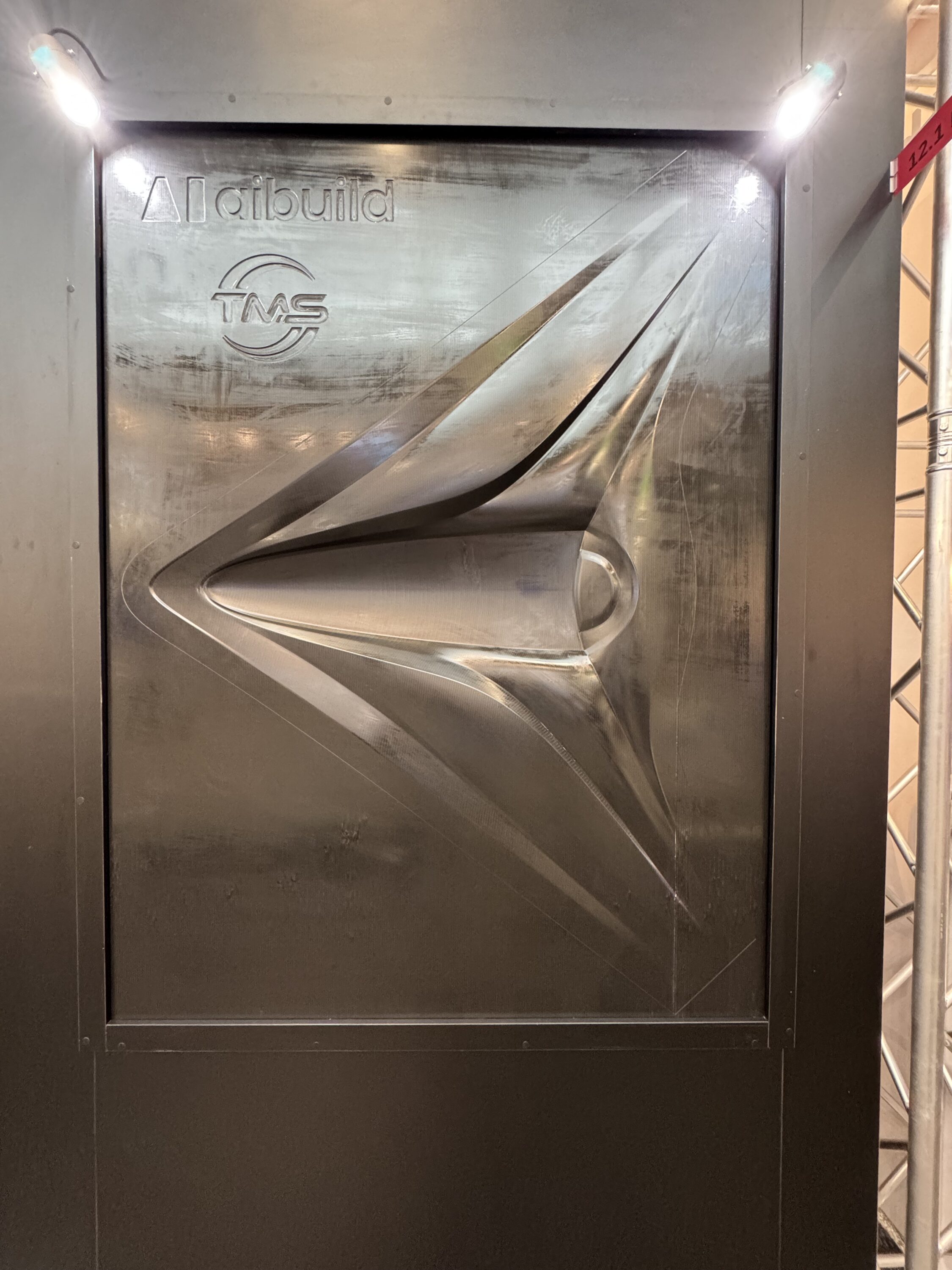
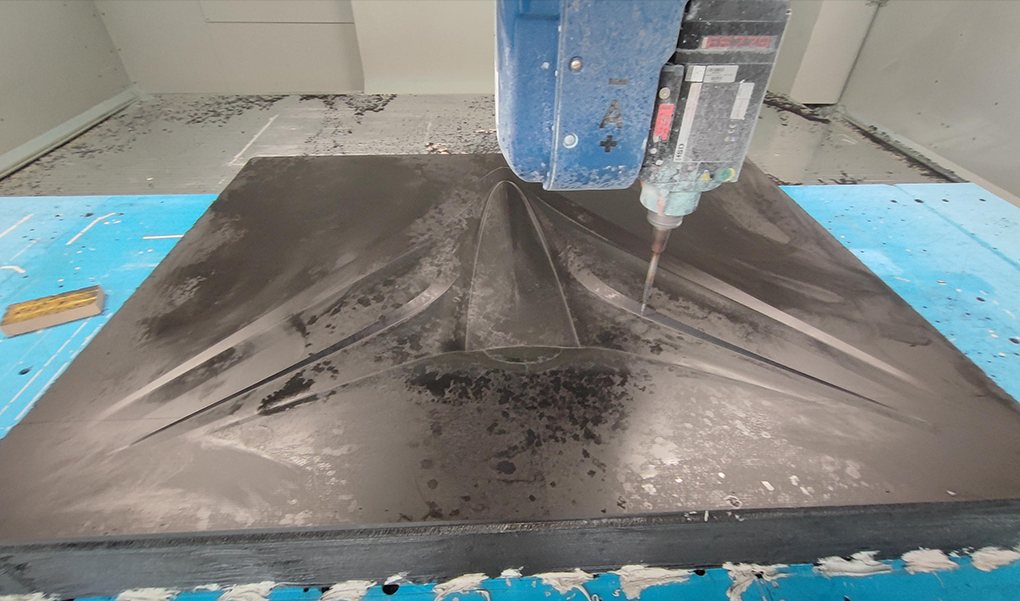
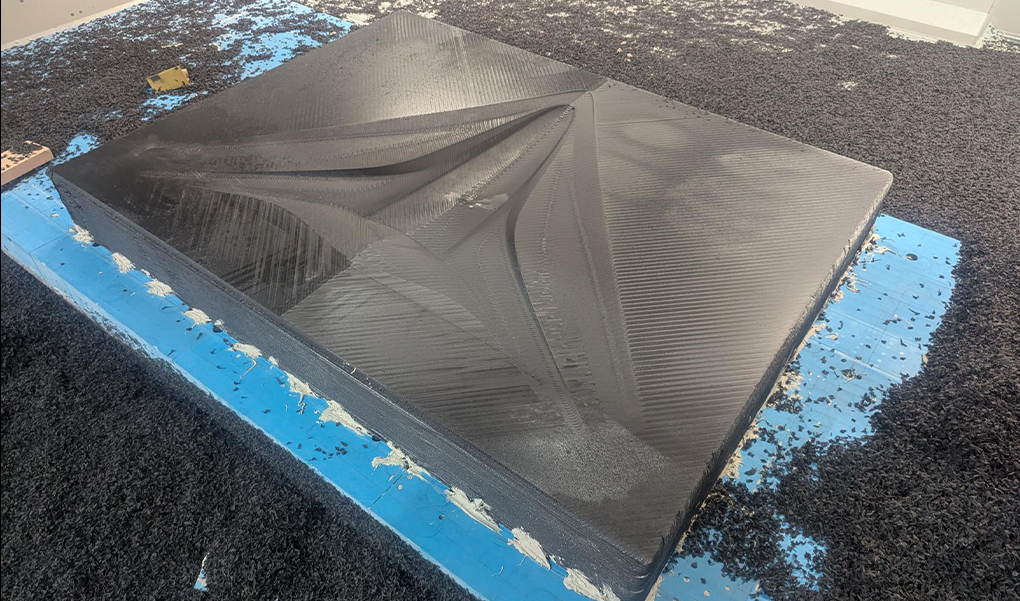
The critical role of Aibuild software in autoclave mould production success is directly quantified through a collaborative defence drone mould project between Aibuild and Total Machining Solutions. This initiative demonstrates how intelligent software addresses the stringent requirements of critical industries.

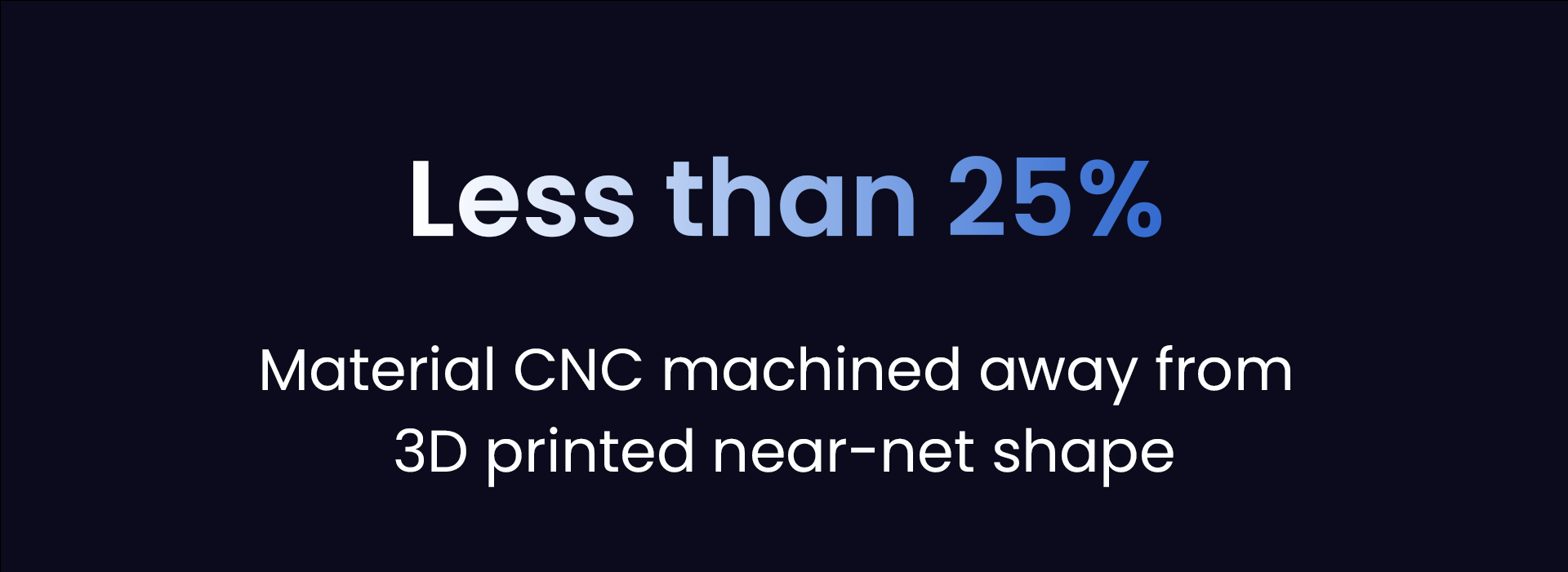
These savings are achieved by eliminating the pattern stage and removing multiple curing and finishing steps. By replacing these steps with a direct-print approach, the 3D printed mould is produced in days instead of weeks and doesn’t compromise on quality or end performance.

Total Machining Solutions’ success demonstrates that LFAM technology has matured into a viable business solution that delivers measurable competitive advantages including:

  • Faster market entry: Reduced mould production time accelerates product launches.
  • Cost optimisation: Lower material and processing costs improve project margins.
  • Design innovation: Previously impossible geometries enable product differentiation.
  • Supply chain resilience: Reduced dependency on traditional tooling suppliers and lead times.
  • Recyclable: Printed tools can be re-pelletised with the material reused to make a new tools.

The combination of reduced material usage, shorter lead times, and intelligent design automation represents operational improvement and a competitive advantage multiplier. Companies implementing LFAM, like Total Machining Solutions are positioning themselves to win in markets where speed, innovation, and cost efficiency determine success.

The question for manufacturing leaders is not whether LFAM will transform mould production, but whether they’ll lead that transformation or be forced to follow competitors who embrace it first.